Shopping Cart
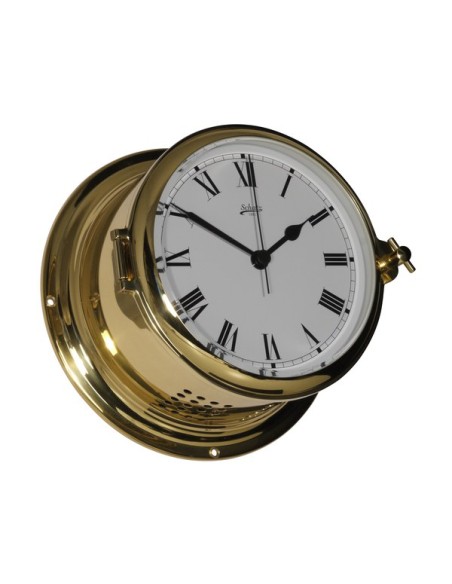
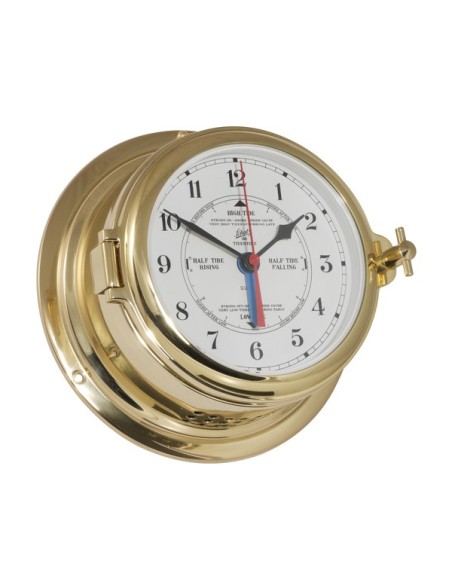
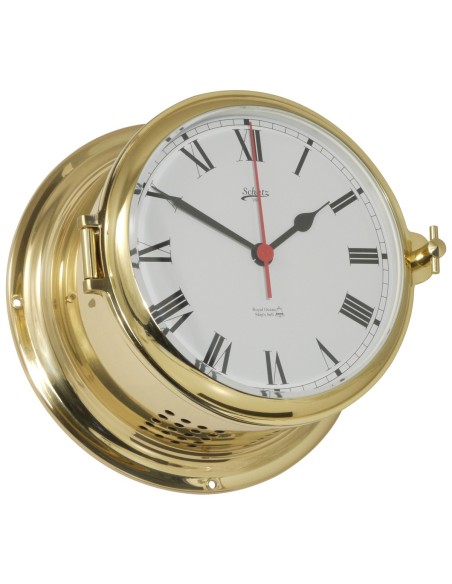
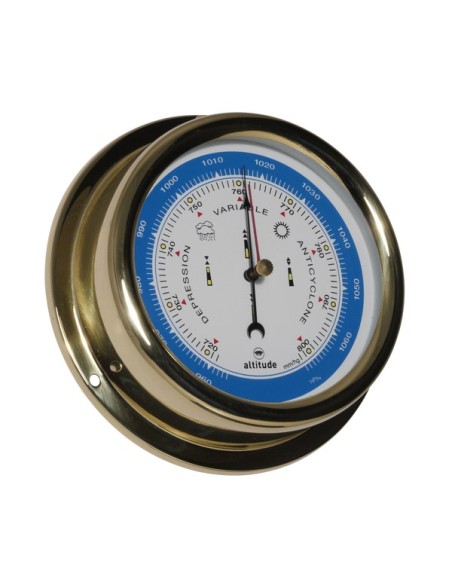
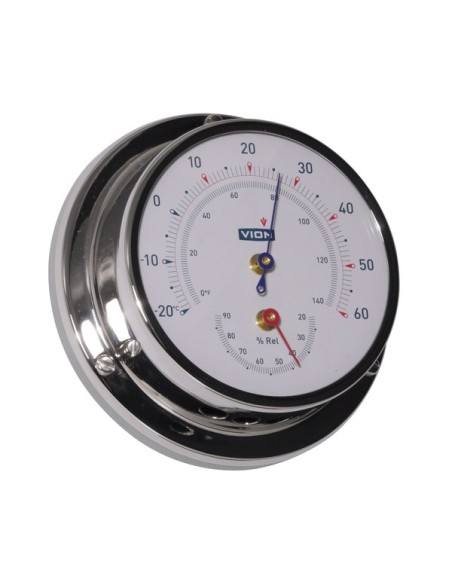
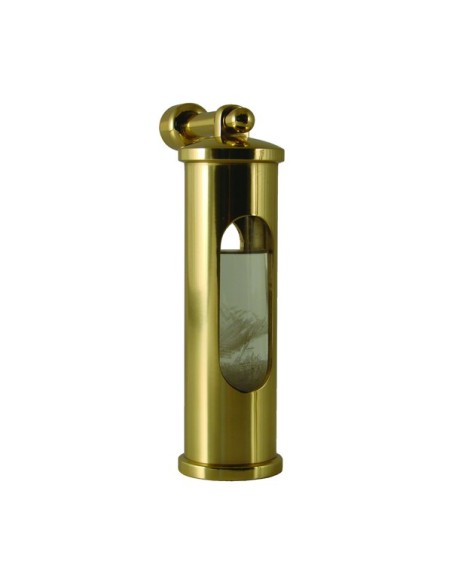
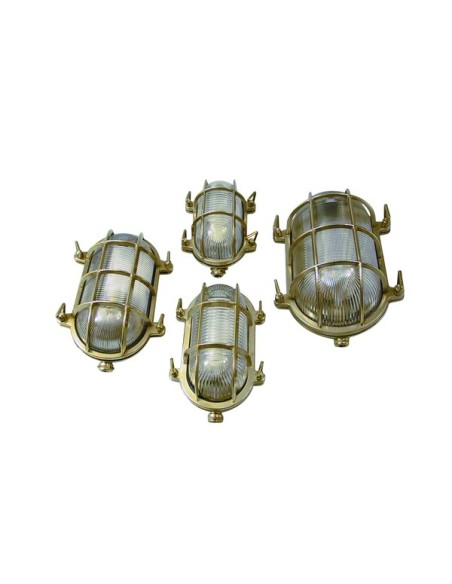


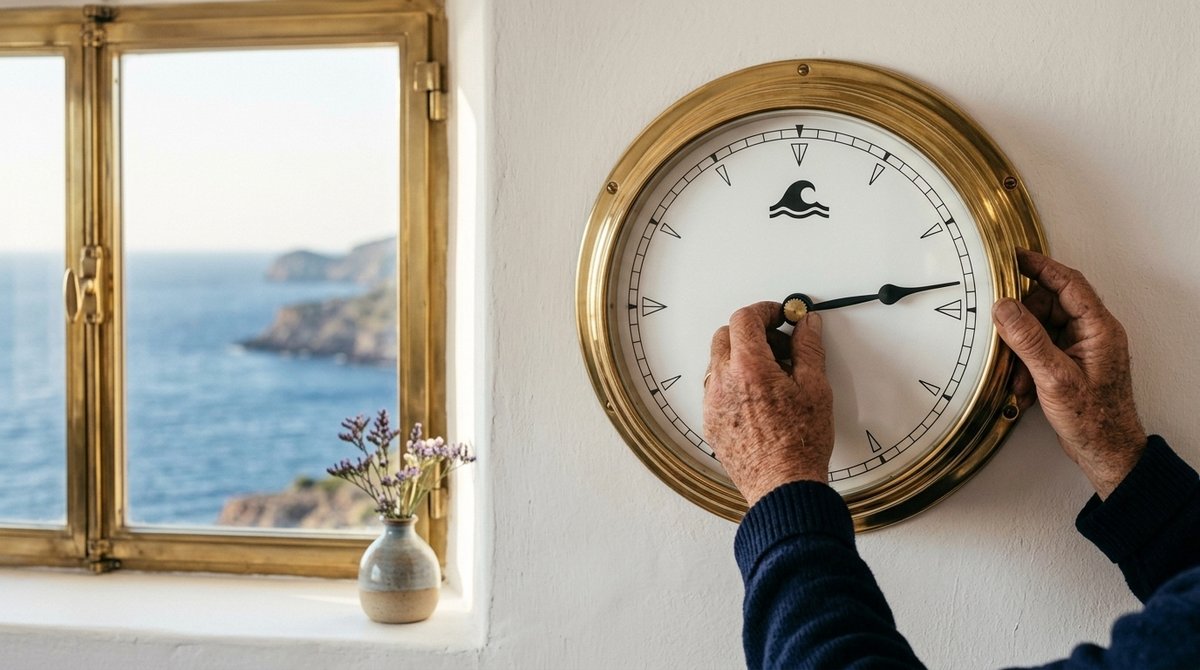
A tide clock does not tell the time: it tells the state of the tide. Its single hand sweeps the dial in about 12 hours and 25 minutes — the average lunar tide cycle — showing how long until high water or low water.
How to set it
- Look up the time of the next high water in the tide tables for your harbour.
- At that exact moment, set the hand to the high-tide position.
- Done: from then on the clock follows the lunar rhythm by itself.
Tip: set it on a spring tide day (full or new moon), when the real cycle is closest to the average; the clock will then be at its most accurate all month.
Where does a tide clock work well?
On Atlantic coasts with two regular daily tides — Galicia, the Bay of Biscay, southern England — it works beautifully. On the Mediterranean, where the tide is minimal and irregular, it is more decorative than practical.
Time & tide: two in one
Don't want to choose between time and tide? The time & tide models by Schatz 1881, VION and Altitude combine clock and tide indicator on a single dial: the perfect instrument for a house by the sea.
Why a tide clock runs on a 24 h 50 min day
Tides are governed mainly by the Moon, and the Moon crosses the same meridian every 24 hours and 50 minutes. On coasts with semi-diurnal tides there are therefore two high waters and two low waters in that "lunar day", about 6 hours 12 minutes apart. A tide clock simply completes one turn every 12 hours 25 minutes: a hand that travels high tide → low tide → high tide at that rhythm.
How to set it, step by step
- Look up the time of the next high water in the tide tables for your harbour (harbour master, yacht club or any tide service).
- Preferably choose a day of full or new moon: on those days the clock and the real tide agree best.
- At the exact moment of high water, turn the hand to the "High Tide" position. Done.
- Check a couple of weeks later and correct if needed.
What accuracy to expect
The clock shows the average: real tides run early or late with the lunar phases, wind and pressure, and the difference can reach half an hour or a little more at springs and neaps. Hence the classic advice to resynchronise once a month, at full or new moon. For manoeuvres that need the exact minute, always consult the official table; the tide clock is the at-a-glance companion.
Does it work in the Mediterranean?
On Spain's Atlantic and Cantabrian coasts — Cádiz, Huelva, Galicia, Asturias, Cantabria, the Basque Country — and in the Canaries the tide is semi-diurnal and the clock is genuinely useful. In the Spanish Mediterranean the tides are a few centimetres and depend more on wind and pressure than on the Moon: there the tide clock is mostly a seafaring wink, lovely as decoration and ideal for those who also sail the Atlantic.
Tide clocks and "Time & Tide"
In our collection you will find pure tide clocks and the combined Time & Tide models showing time and tide on one dial. The Schatz 1881 models in the Royal and Midi series come in polished or chrome-plated brass, and VION offers them in stainless steel with contemporary lines. They look particularly good next to a barometer of the same series — see our guide on mounting your marine instruments.
Frequently asked questions
Does a tide clock take a battery?
Yes, a quartz movement on an ordinary AA battery; it lasts one to two years.
Can I set it without tables?
You can, by watching high water in the harbour (the moment the water stops rising), but tables are more accurate.
Does it work anywhere in the world?
Only where the tide is semi-diurnal and regular. In areas with diurnal or mixed tides (parts of the Pacific, the Gulf of Mexico) it is not reliable.
Comments (0)