
Shopping Cart


- Equipo RelojesNauticos.es
- Nautical guides
- 0 likes
- 148 views
- 0 comments

Every boat owner knows it: humidity. Mattresses that wake up damp, that closed-in smell, condensation on the portholes and, in time, mould in the corners. The first tool against it is not a dehumidifier — it is knowing how much moisture there is.
The hygrometer: measure before you act
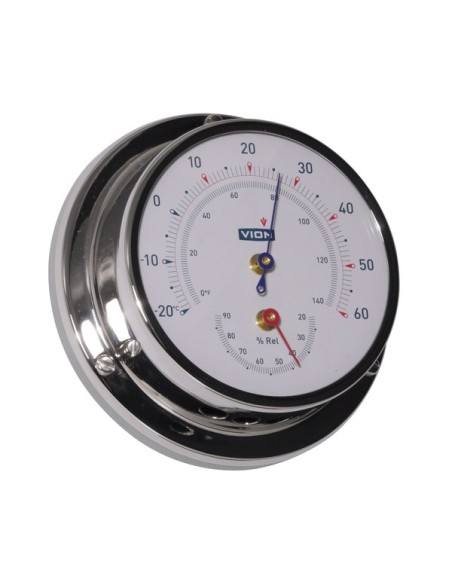
A hygrometer measures relative humidity. As a practical reference on board: between 50 and 65 % is comfortable; sustained readings above 70 % give condensation and mould free rein. A thermo-hygrometer or "comfortmeter" combines temperature and humidity on one dial: one glance tells you whether it is time to ventilate.
Three golden rules against condensation
- Ventilate wisely: open up during the dry hours of the day and close at dusk, when the outside air loads up with moisture.
- Keep air moving: leave air gaps behind cushions and mattresses; condensation strikes where air stands still.
- Measure at the critical spot: hang the hygrometer in the cabin or locker where you suspect the problem, not next to the hatch.
A complete instrument set
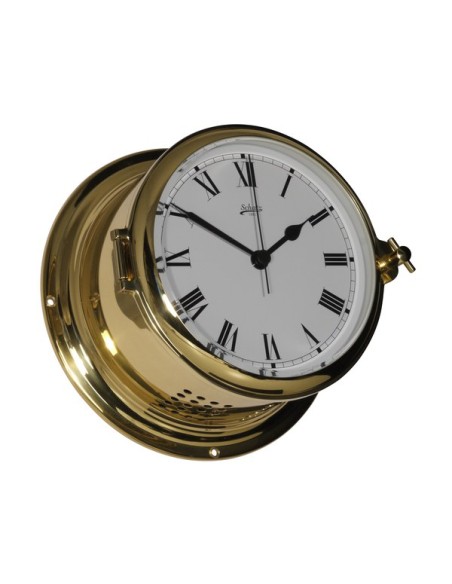
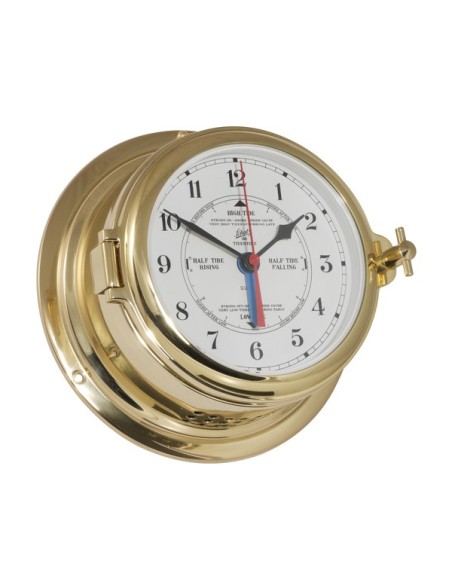
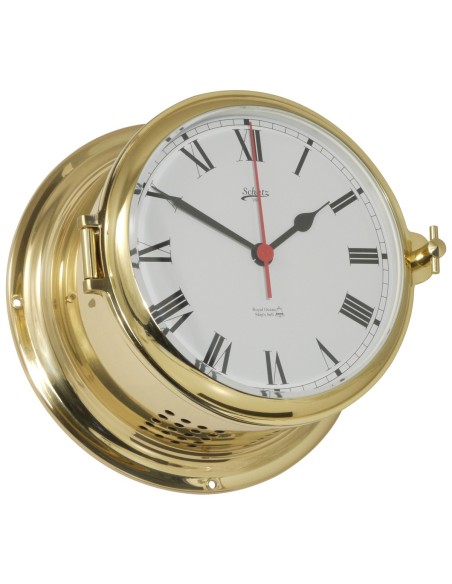
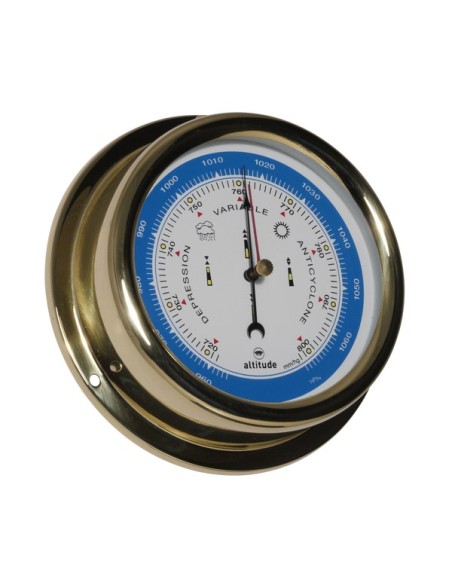
The classic bulkhead station combines clock, barometer and hygrometer from the same series. That way you watch the coming weather — the barometer tells you — and the on-board climate, in one perfectly aligned brass line-up.
What is the "right" humidity
For comfort and for the preservation of the boat and its instruments, the ideal range is 40 to 60 % relative humidity. Below 40 % wood dries out and cracks and mucous membranes suffer; above 60 % you get condensation, a musty smell, mould on cushions and verdigris on brass. A boat moored in winter, with a cold hull and a closed cabin, easily passes 80 %.
Why a boat is so damp
- The hull and deck are cold (water at 14 °C in winter) and the warmer cabin air condenses on them.
- Cooking, showering, drying clothes and simply breathing add litres of vapour a day.
- Lockers and bilges do not ventilate and collect stagnant moisture.
How to measure it properly
A quality hygrometer or thermo-hygrometer is the first step. Classic marine instruments use a membrane or synthetic-hair hygroscopic element that lengthens and shortens with humidity: no batteries, reliable and easy to calibrate. The Schatz 1881 "comfortmeter" combines thermometer and hygrometer on one dial with the comfort zone marked, so you see at a glance whether to ventilate. Place it at living height, away from the galley and from a frequently opened porthole, and not against a cold outer bulkhead.
Calibrating a hygrometer at home: the salt method
- Put ordinary salt in a small glass and moisten it into a paste (not liquid).
- Place the glass and the hygrometer in a sealed bag or container and close it.
- Wait 8-12 hours at a stable temperature: inside the container the humidity settles at exactly 75 %.
- If the instrument shows another value, adjust it with the calibration screw to 75 %.
How to keep it under control
- Ventilate: dorade vents, hatches ajar with rain protection, grilles in lockers and under berths.
- In port and in winter, a small dehumidifier or moisture absorbers in the lockers make the difference.
- Keep the cabin slightly warm: warm air holds more vapour and condenses less on the hull.
- Do not store damp textiles; air the cushions and lift the mattresses now and then.
- Watch the hygrometer: if it approaches 65-70 %, act before mould appears.
High humidity also speeds up brass tarnishing; caring for marine brass explains what to do. And since the hygrometer pairs naturally with the barometer, this guide covers reading and calibrating the aneroid.
Frequently asked questions
How often should a hygrometer be calibrated?
Once a year with the salt method is enough; synthetic-hair elements are very stable.
Is a digital hygrometer good enough?
Yes, but cheap electronic sensors drift over time and cannot be calibrated; a well-made mechanical instrument lasts a lifetime.
Where do I put it in a house by the sea?
In the living room or bedroom, at mid height, away from radiators and windows: wherever it reflects the air you breathe.
Comments (0)