
Shopping Cart


- Equipo RelojesNauticos.es
- Nautical guides
- 0 likes
- 155 views
- 0 comments
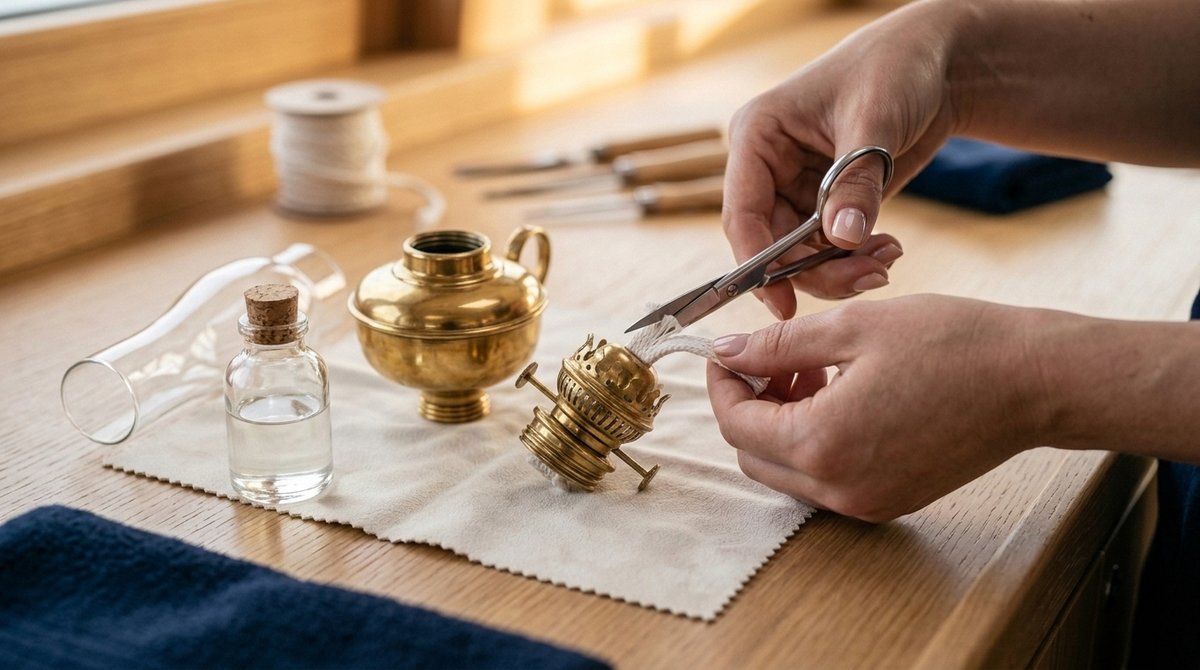
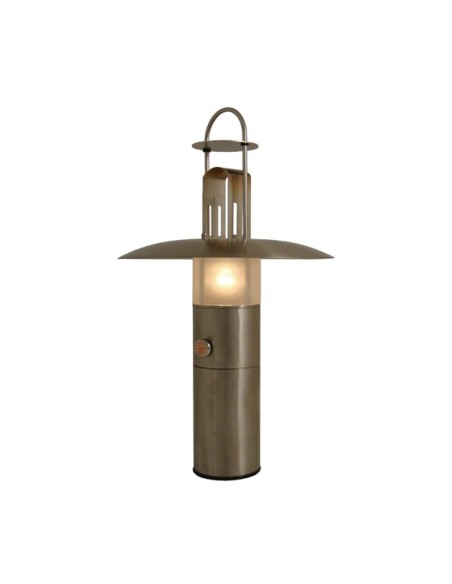
An oil lamp asks for very little: clean oil, a healthy wick and five minutes of care now and then. In return, it gives the warmest light there is.
The right oil
Always use clear liquid paraffin lamp oil. It burns with a steady flame, hardly any smell, and keeps the wick clean. Avoid alcohol, heating kerosene and cooking oils: they smoke, smell and ruin the burner.
The wick: key to the flame
- Trim the wick straight with scissors before every long burn: a frayed wick gives an uneven, sooty flame.
- Moderate height: raise the wick until the flame is lively but without smoky tips. More wick is not more light — it is more soot.
- Let a new wick soak for 15 minutes after the first filling before lighting it.
Regular cleaning
Wash the glass chimney in soapy water when it loses its sparkle, and clean carbonised residue off the burner. The brass body is cared for like any nautical piece: gently, according to its finish — our brass guide tells you exactly how.
Original spare parts
Wicks in every width, replacement chimneys, burners and galleries: it is all in our spare parts section, with original Danish E.S. Sørensen parts for practically every model in our collection. Can't find your size? Write to us and we will track it down.
The first lighting
- Fill the reservoir to about two thirds: never to the brim, oil expands when warm.
- Fit the wick and let it soak for 20-30 minutes before lighting: a dry wick burns instead of burning oil.
- Light with the wick low, let the glass warm for a couple of minutes and raise the flame gradually.
The right oil
Use quality lamp oil (purified liquid paraffin, colourless and odourless). Never petrol, alcohol, cooking oil or heating kerosene: they smoke, smell and can be dangerous. Scented or coloured oils leave more residue on the wick. Store oil closed, away from heat, and empty the reservoir if the lamp will stand unused for months.
The wick: trim, don't regret
- Before each lighting, trim the charred tip with scissors: straight for a wide, even flame, slightly rounded to avoid smoky "horns".
- The right flame height is the one that does not smoke: if you see soot on the glass, lower it a little.
- Replace the wick when it gets short or hardens; the width (in "lines", e.g. 10''' for the Old Danish, Gilleleje and Engineer's burners) is stated on each spare.
Cleaning
The glass chimney is cleaned cold with warm soapy water or a cloth with alcohol; dry it completely before refitting — a damp glass can crack with the heat. The burner is removed and wiped free of oil residue; the gallery and smoke bell likewise. The brass or steel body is cared for as explained in caring for marine brass.
Safety on board and at home
- Never leave the lamp burning unattended or near curtains, sails or textiles.
- On board always use it in its gimbal and with the smoke bell under wooden deckheads.
- Refill only with the lamp out and cold, and wipe up any spill.
- Ventilate: an oil lamp consumes oxygen; in a small cabin leave an air inlet.
Spares for a lamp for life
Wicks, glasses and globes, burners, gimbals, smoke bells and shades for the lamps by Delite, E.S. Sørensen and DIETZ are in our spare parts section; if you cannot find yours, write to us with the model. And if you don't have a lamp yet, the ship's lamps buying guide helps you choose between oil, bulkhead and electric.
Frequently asked questions
Why does the flame flicker or go out?
A draught, a wick that is too short or a nearly empty reservoir. Also a badly seated glass letting air in where it shouldn't.
How long does a reservoir last?
It depends on the model and flame height: a cabin lamp at medium flame burns for several hours on one filling.
Can coloured lamp oil be used?
It can, but it fouls wick and glass more; for a lamp on board we prefer colourless.
Comments (0)