
Shopping Cart
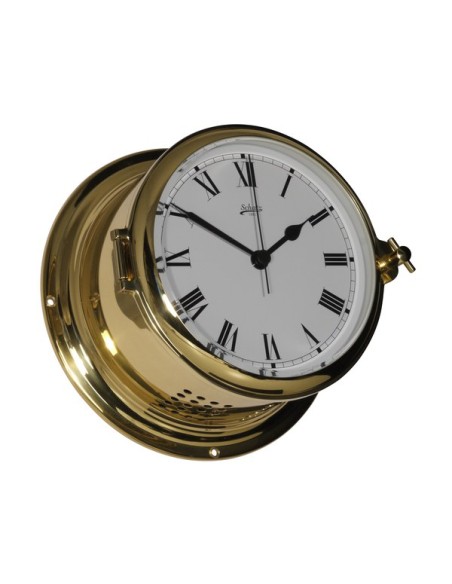
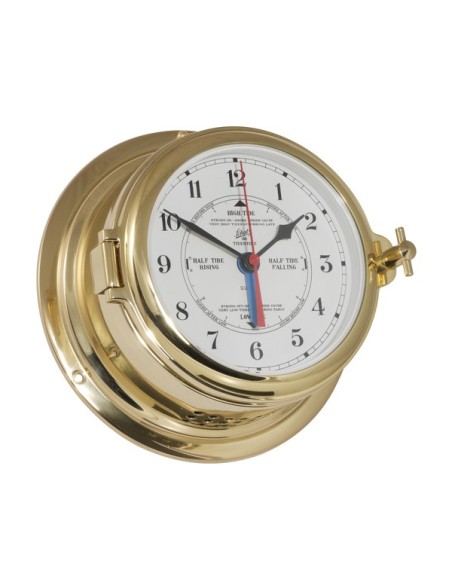
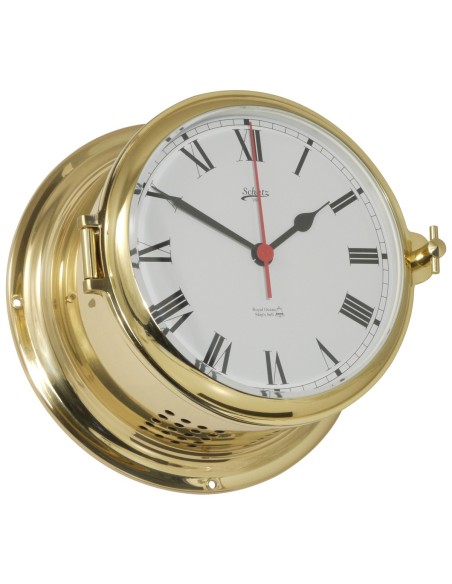
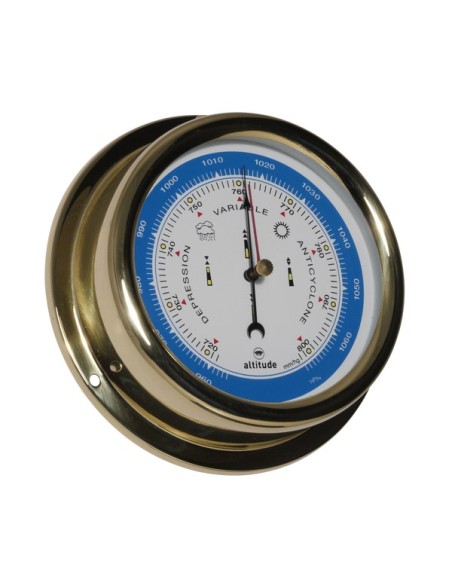
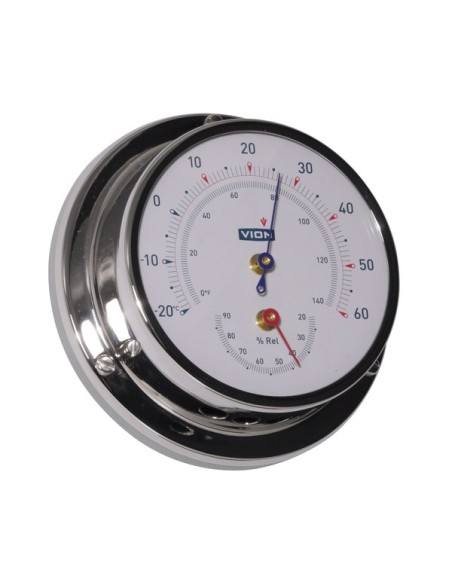
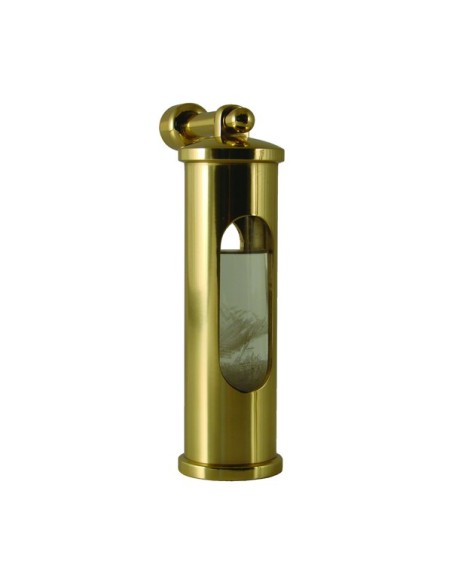
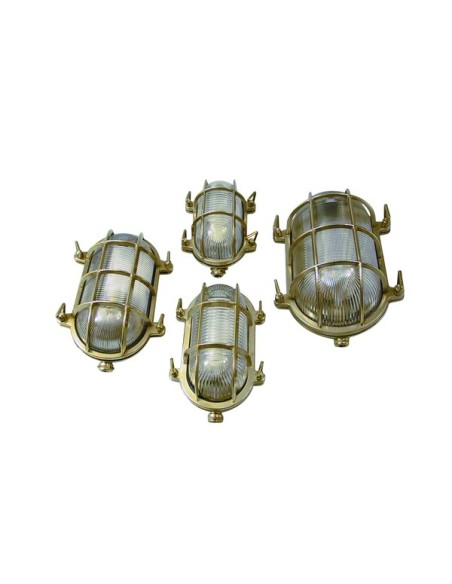
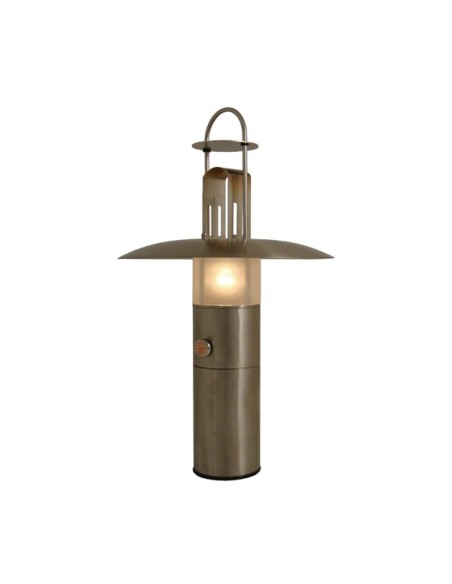
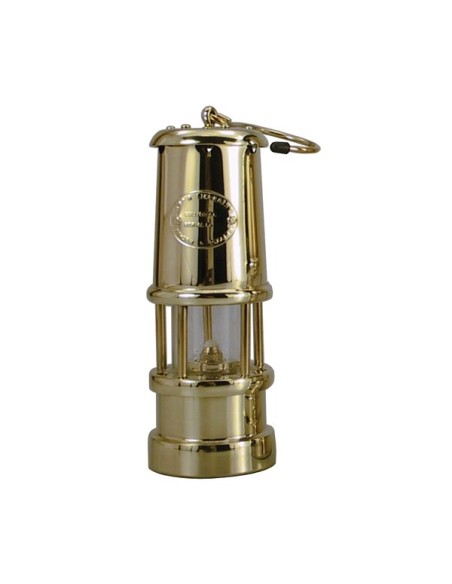
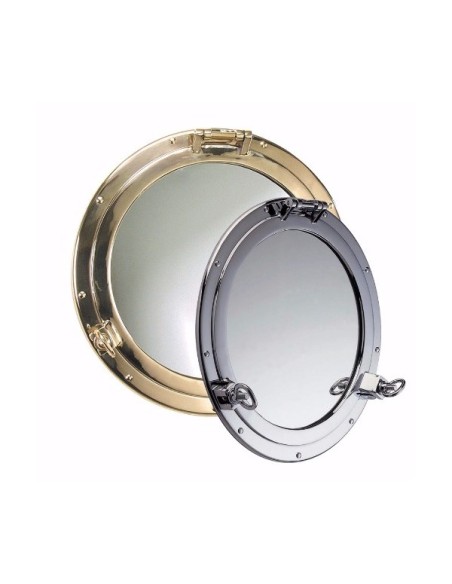
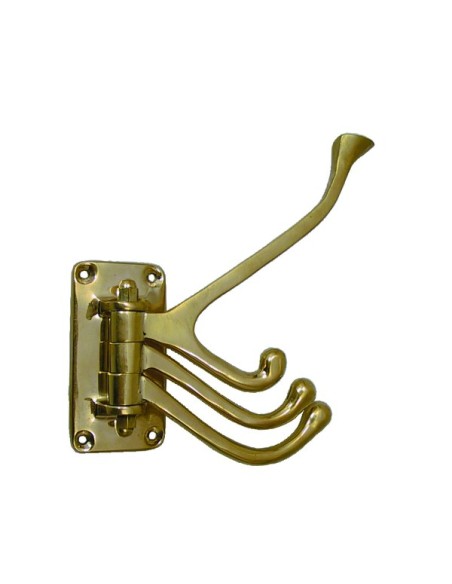


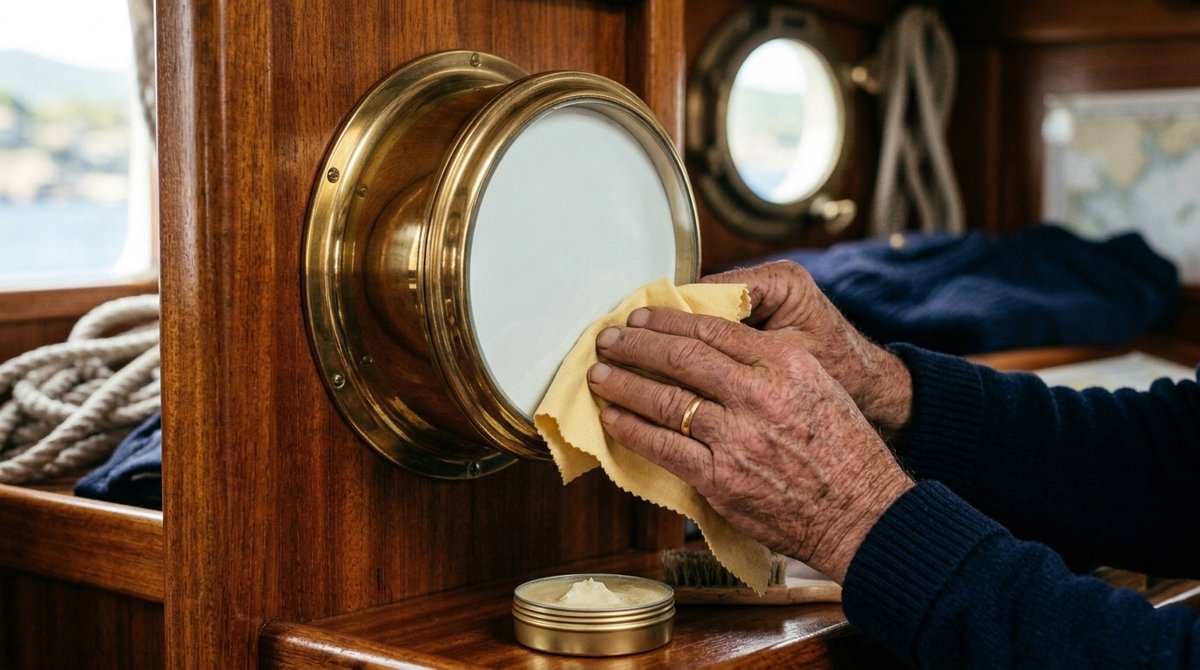
Almost all our clocks, barometers and ship's lamps are made of solid brass. It is a noble material that survives generations — if treated well.
Lacquered or bare: the big difference
Most modern instruments carry a protective lacquer coat. Golden rule: lacquered brass is never polished with abrasives. A soft cloth, dry or slightly damp, is all it needs. Metal polish dissolves the lacquer and leaves irreversible stains.
Unlacquered brass (or an old piece whose lacquer is long gone) does take classic polishing with a quality metal polish and a cotton cloth, always with gentle strokes.
On board: salt is the enemy
- Rinse now and then with fresh water and dry thoroughly.
- Avoid mounting lacquered instruments in permanent full sun: heat ages the lacquer.
- A thin coat of microcrystalline wax protects the most exposed pieces.
Chrome and stainless steel
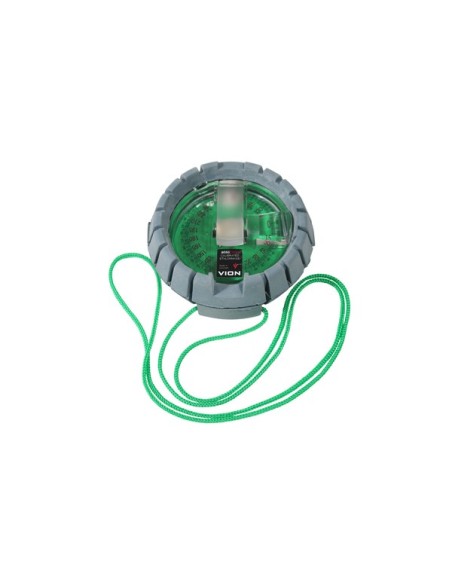
Chrome-plated brass and stainless steel versions (such as the VION instruments) are the most resistant to the marine environment: water, neutral soap and a dry cloth, nothing more. Perfect for deck and outdoors.
First: lacquered or unlacquered brass?
Almost all modern marine instruments — the clocks and barometers by Schatz 1881, the lamps by Foresti & Suardi and Delite — arrive with a clear lacquer coat that protects the brass from salt air. As long as the lacquer is intact the brass does not tarnish and only needs a cloth. Antique pieces or items expressly "unlacquered" (or with worn lacquer) do tarnish and need periodic polishing. Knowing which you have before touching anything avoids the most common mistake: polishing lacquered brass and stripping the lacquer.
Caring for lacquered brass
- Clean with a soft, dry cloth or one lightly dampened with lukewarm water and a drop of mild soap.
- Always dry; water left in the seams leaves marks.
- Never use polishes, scouring pads, vinegar, ammonia or citrus cleaners: they damage the lacquer.
- On board, rinse with fresh water after a spray-soaked passage and dry with a chamois.
Polishing unlacquered brass
- Remove or protect the glass and dial; polishes wet and stain.
- Apply a quality brass polish with a cotton cloth in small circles, without overloading the product.
- Remove with a clean cloth before the polish dries completely and buff with microfibre.
- To slow tarnishing, finish with a thin coat of microcrystalline wax or a spray lacquer for metals.
Chrome, nickel and antique bronze
Chrome and nickel need only a damp cloth and drying: avoid abrasives, which scratch. Antique bronze or "antique" brass owe their charm to the patina: clean them dry and do not polish, or you will lose exactly the finish that makes them special. More detail in our guide brass, chrome or antique bronze: which finish to choose.
What the sea does to brass
Salt and humidity speed up tarnishing; that is why lamps and clocks exposed on deck or near open portholes deserve more frequent attention. If you see green spots (verdigris) under the lacquer, the coat has cracked: the clean solution is to strip the lacquer completely, polish and re-protect.
Frequently asked questions
How often should I polish?
Lacquered: never — just clean. Unlacquered: indoors two or three times a year; on board or by the sea, whenever it loses its shine.
Can I use lemon and salt, or ketchup?
These acidic home remedies half-work and can leave stains; on quality pieces a dedicated polish is preferable.
What if the dial has yellowed?
Dials are not polished. If the glass or dial is damaged, our spare parts section has original glasses and dials for the Royal, Midi and Fyrkat series.
Comments (0)