
Shopping Cart


- Equipo RelojesNauticos.es
- Nautical guides
- 0 likes
- 148 views
- 0 comments
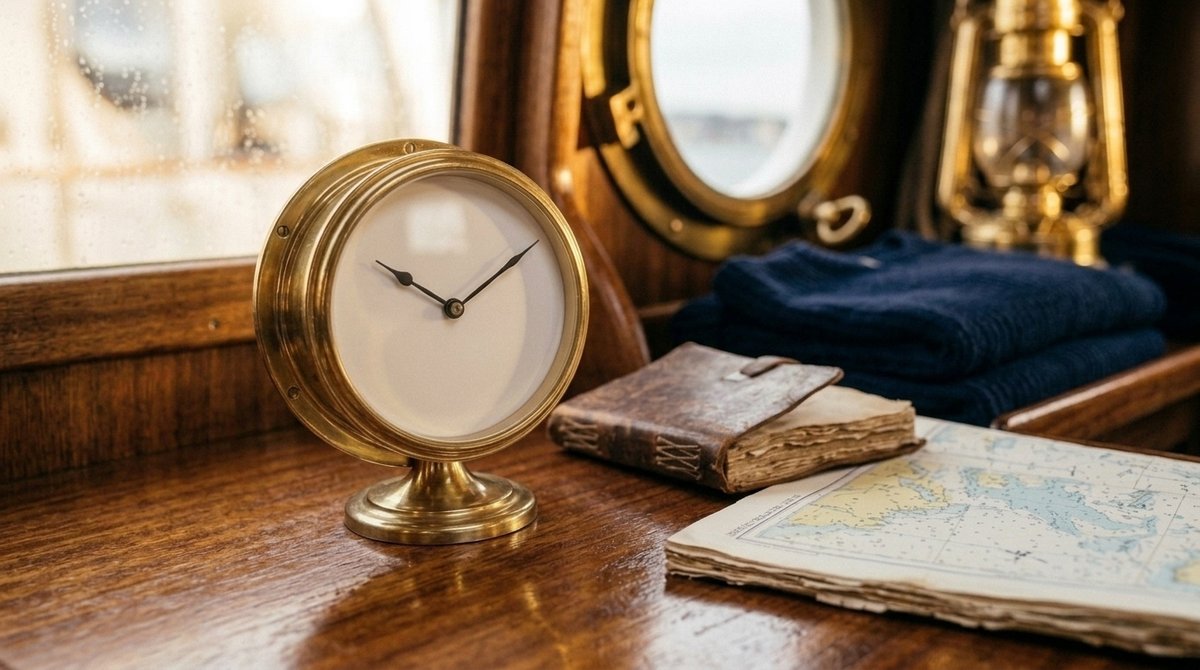
Few brands are as bound to the ship's clock as Schatz. The name says it all: 1881, the year August Schatz founded his clock factory in Germany's Black Forest, the European cradle of mechanical clockmaking.
The definitive ship's clock
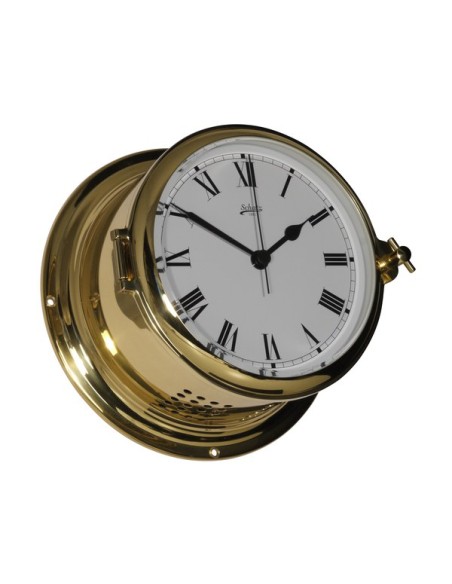
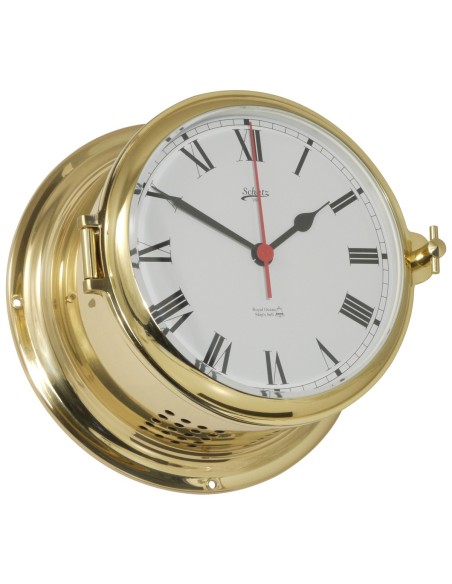
The house became famous for its clocks with a ship's bell strike and its robust 8-day movements: one wind a week, decades of service. That character — solid brass cases, legible dials, honest mechanics — still defines every Schatz 1881 clock today.
The current ranges
- Royal ø180 mm — the flagship series, classic presence for the saloon.
- Midi ø155 mm — the perfect balance of presence and restraint.
- Fyrkat ø140 mm — compact, ideal on board and in small spaces.
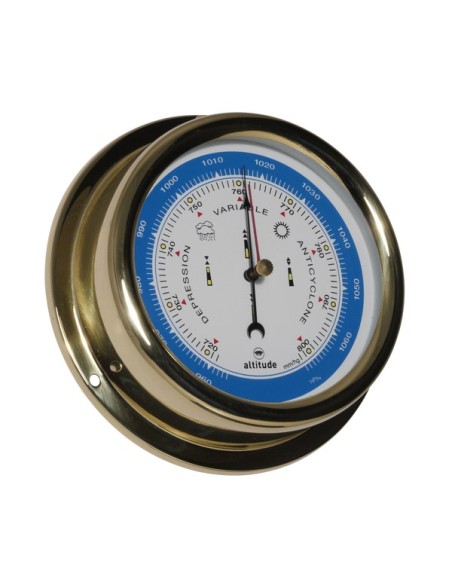
Each range offers a clock, a barometer — including the high-sensitivity Hi-Sensitiv versions — and matching hygro-thermometers, in polished or chrome-plated brass.
A tradition that continues
Today the brand continues in the Danish hands of Delite, which keeps production alive along with the supply of original spare parts and movements: winding keys, complete movements and glasses. That is why a Schatz never retires — it gets inherited. Already own one? Care for it with our winding guide.
Today's Schatz 1881 series
The current range is organised in three series by diameter: Royal ø180 mm, Midi ø155 mm — home of the 8-day mechanical clock — and Fyrkat ø140 mm. See the complete Schatz 1881 range at RelojesNauticos.es.
Triberg, 1881: origins in the Black Forest
The story begins in Triberg, deep in Germany's Black Forest, the cradle of popular European clockmaking. There August Schatz founded the Jahresuhrenfabrik in 1881, the "year clock" factory: the famous 400-day or anniversary clocks, with a torsion pendulum under a glass dome, wound only once a year. For decades Schatz was synonymous with the wedding and anniversary clock that presided over living rooms half the world over.
From the living room to the chart room
In the middle of the 20th century the house took its experience to sea with the Royal Mariner ship's clocks and their matching barometers: solid brass cases, legible white dials and the ship's bell strike that sounds the watches every half hour. They became the classic equipment of sailing yachts, motor yachts and yacht clubs, and today are sought-after collectors' pieces. What the bells mean is explained in the ship's bell code.
The brand today: made in Denmark
After the decline of German mechanical clockmaking at the end of the 20th century, the brand was carried on by the Danish house Delite in Måløv, near Copenhagen, which has made and developed the Schatz 1881 range ever since: the same classic shapes, solid polished or chrome-plated brass and modern movements. Today there are three series, all in our Schatz 1881 hub:
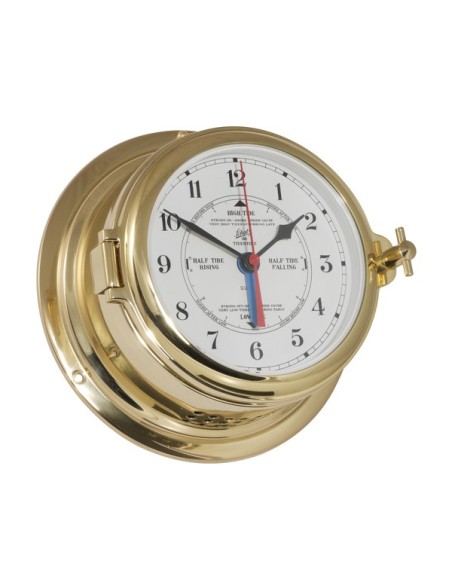
- Royal ø180 mm: the direct heir of the Royal Mariner; bell clocks, tide clocks, Hi-Sensitiv barometers and hygro-thermometers.
- Midi ø155 mm: the middle size, with the 8-day mechanical ship's bell clock alongside the quartz models.
- Fyrkat ø140 mm: the compact series in chrome-plated brass, for cabins and narrow bulkheads.
What makes a Schatz special
- Solid turned brass, not stamped sheet: weight, sound and durability.
- Hinged bezel giving access to the dial for adjusting and setting.
- Hi-Sensitiv mechanisms in the barometers and a real ship's bell strike in the clocks.
- Original spares available for decades: keys, glasses, dials and movements in our spare parts section.
Frequently asked questions
Are today's Schatz 1881 the same as the old Royal Mariner?
They are its heirs: the same case and dial design and the same philosophy, with modern movements (quartz or 8-day mechanical) made today under Delite.
Where can they be bought in Spain?
At RelojesNauticos.es we import directly from the maker; Schatz 1881 in Spain explains shipping, warranty and service.
I have an old Schatz — can it be repaired?
Often yes: replacement movements, glasses and dials from the current series fit models from recent decades. Write to us with a photo and the reference.
Comments (0)