
Shopping Cart


- Equipo RelojesNauticos.es
- Nautical guides
- 0 likes
- 154 views
- 0 comments
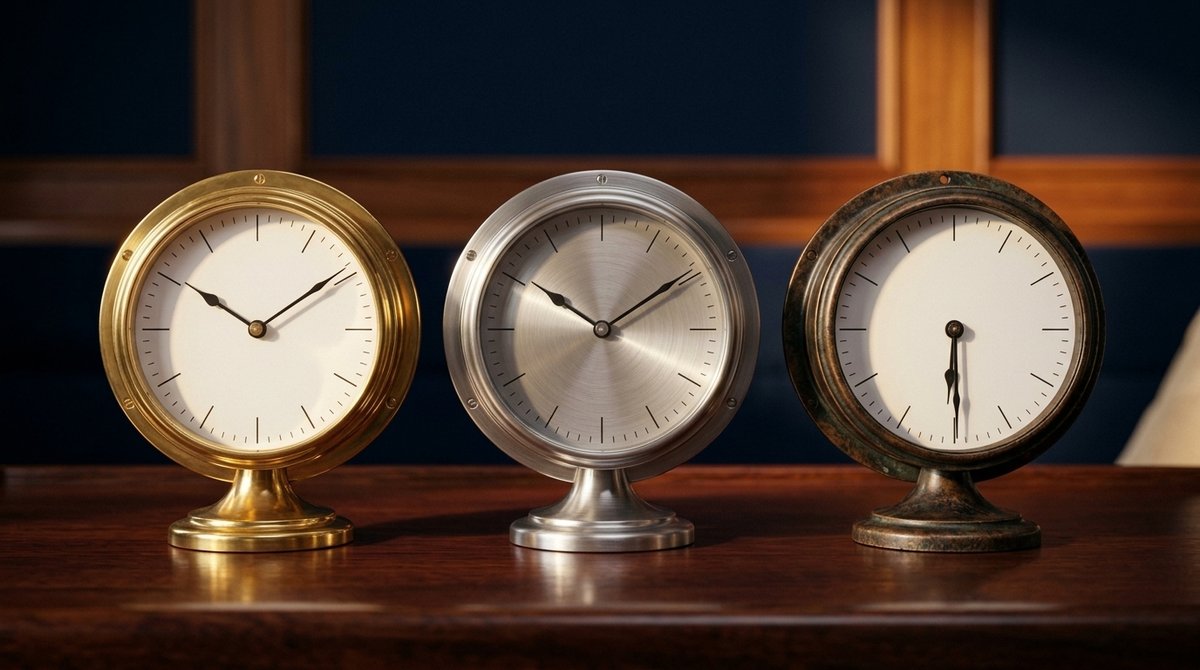
The same clock can feel classic, modern or a century old: it all depends on the finish. Before choosing your clock, barometer or lamp, it pays to know the four main finishes.
Polished lacquered brass
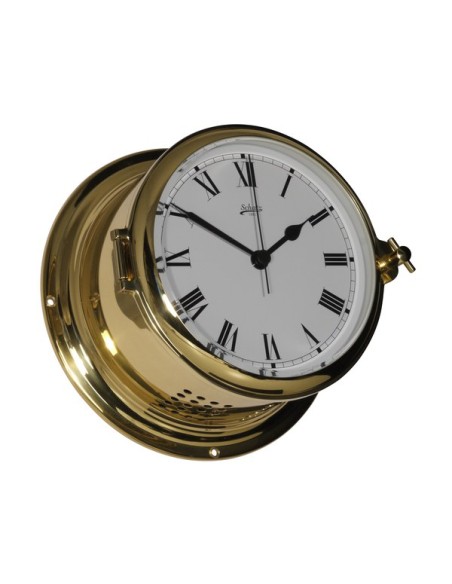
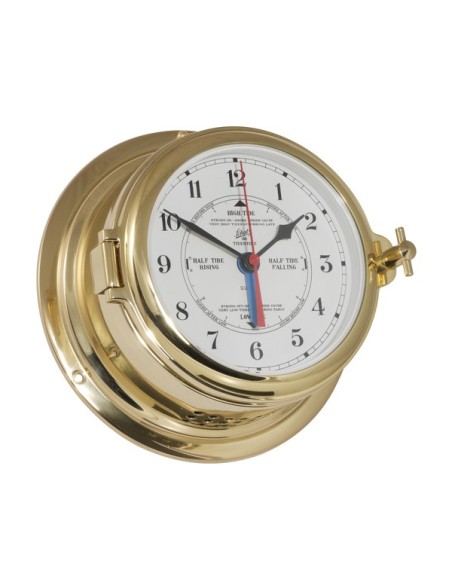
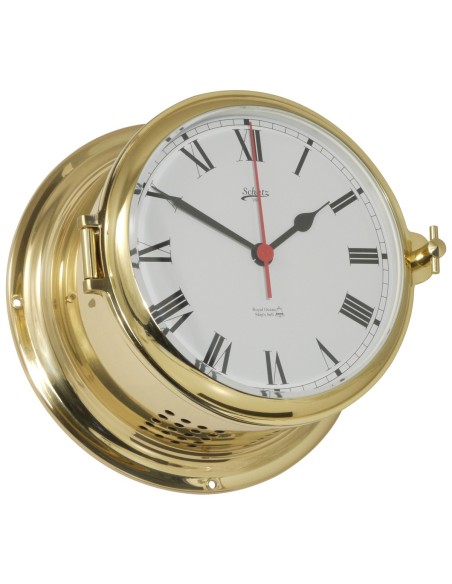
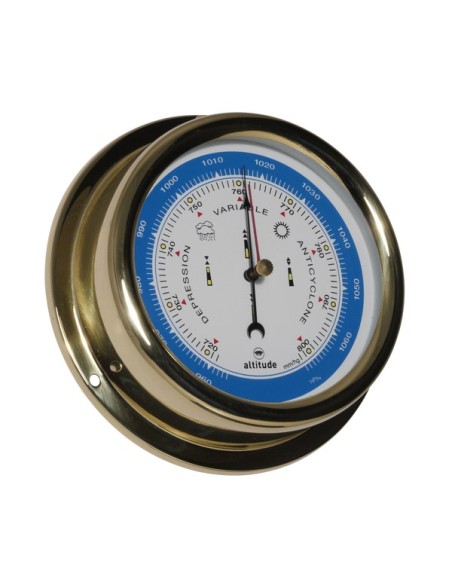
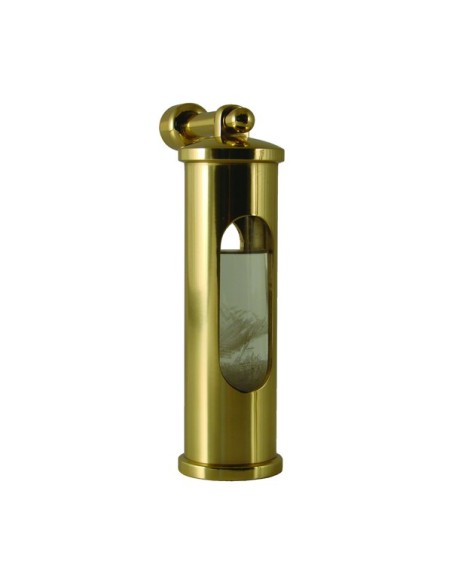
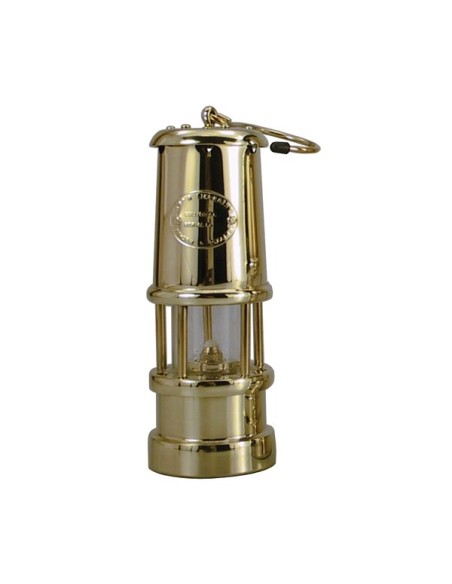
The warm gold of tradition: the definitive nautical finish. The protective lacquer keeps it from tarnishing, which is why it must never be polished with abrasives — see our brass care guide. Perfect in classic interiors, with timber and maritime tones.
Chrome and stainless steel
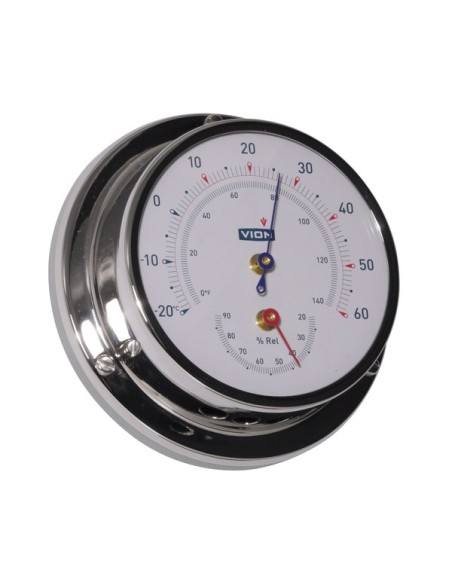
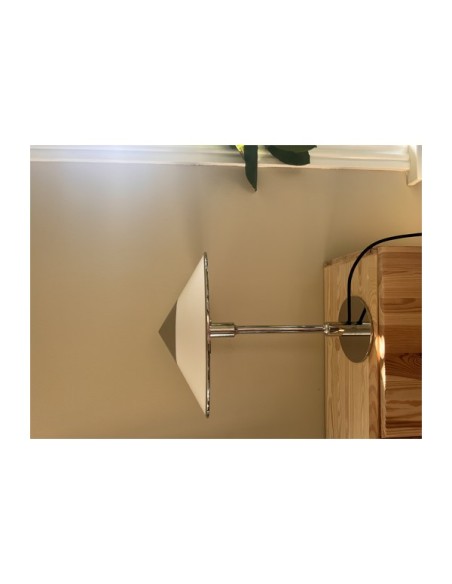
Cool shine, modern lines and maximum resistance to salt air: chrome plating and stainless steel (VION's signature) are the natural choice for deck, outdoors and bathrooms, and for contemporary interiors where gold would feel heavy.
Antique bronze and aged brass
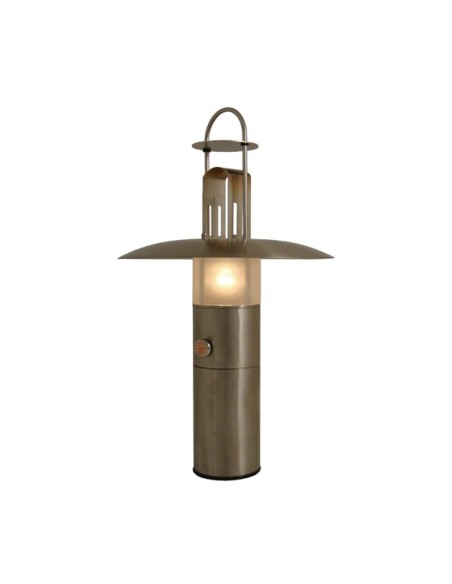
The dark patina of antique bronze gives a brand-new instrument the soul of a hundred-year-old piece. It pairs beautifully with dark timber, leather, and library or classic-yacht settings.
Can you mix them?
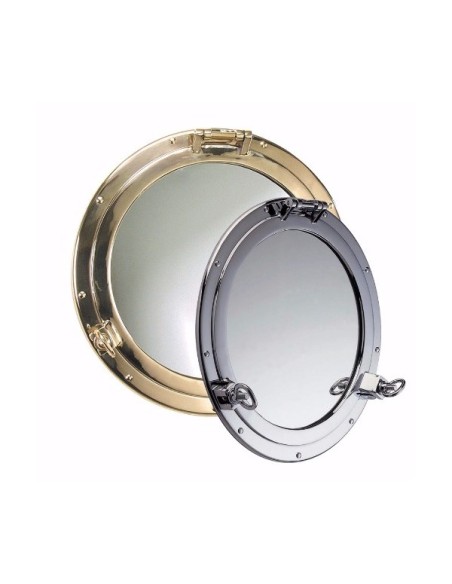
Our advice: within one wall set, no — an instrument line-up gains enormously when series and finish match, as we explain in the mounting guide. Between different rooms, on the other hand, mixing finishes gives the house rhythm: brass in the living room, chrome in the bathroom, bronze in the study.
The five finishes you will see in our shop
- Polished lacquered brass: the classic golden shine. The clear lacquer stops it tarnishing: cloth only, never polish.
- Chrome-plated brass: solid brass with a chrome plating; silvery, cool and bright, very hard-wearing and easy to clean.
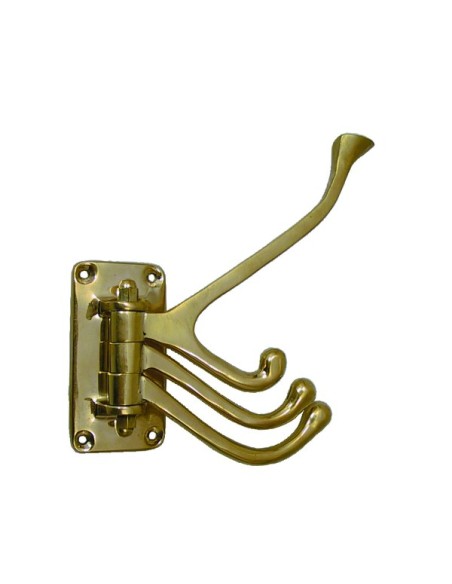
- Nickel-plated brass: similar to chrome but warmer, slightly yellowish in tone; you will see it on coat hooks and fittings.
- Polished or brushed stainless steel: the material of VION and of Delite's Clausen line; brushed hides fingerprints and scratches.
- Antique brass or "antique" bronze: a deliberate dark, matt, warm patina; not polished but left to age.
How to decide in three questions
- What is already around it? Taps, fittings, handles, portholes: the instrument should speak the same language. Brass with teak and dark wood; chrome with whites and greys; steel with steel and aluminium boats.
- How much maintenance will you accept? Minimal: chrome or steel. Moderate: lacquered brass. If you enjoy polishing: unlacquered brass.
- Where will it live? Dry interior: anything. Damp boat cabin: lacquered, chrome or steel. Exposed deck or terrace: stainless steel or chrome, rinsed regularly.
The same model, several finishes
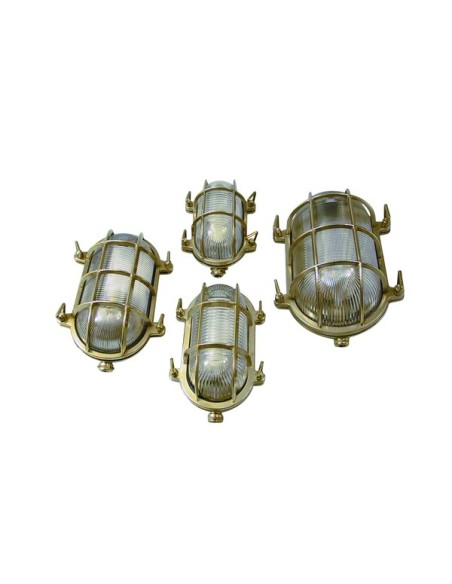
Almost all Schatz 1881 pieces are made in polished brass and in chrome-plated brass; the Royal series adds brushed brass and the Fyrkat is chrome as standard. Foresti & Suardi lamps come in brass and chrome, Delite/E.S. Sørensen lamps in brass and stainless steel. So you can keep the set coherent: clock, barometer, lamp and coat hook in the same tone.
Ageing: what to expect from each
Lacquered brass stays the same for years if the lacquer is not attacked; when it cracks, it can be stripped and polished. Chrome is very stable, but if it pits it cannot be repaired: the part is replaced. Stainless steel can show superficial spots from salt, which fresh water removes. Antique bronze improves with time. Caring for marine brass covers the care of each material.
Frequently asked questions
Can brass and chrome be mixed?
Yes, with intent: for example brass instruments and chrome lamps in a white cabin. What does not work is mixing within the same trio of instruments.
Is chrome "less nautical" than brass?
Not at all: motor yachts and steel boats have used chrome for a century. Brass is the sailing tradition; chrome, modern yachting.
Is unlacquered brass available for hand polishing?
Most current pieces come lacquered. If you want the polishing ritual, ask us before ordering.
Comments (0)